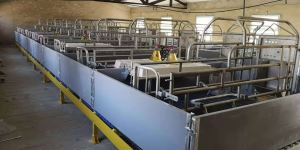
As a supplier of farm pig cages, I often get asked about the lifespan of these essential pieces of equipment. Understanding the lifespan of a farm pig cage is crucial for farmers, as it directly impacts their long - term investment and the well - being of their pigs. In this blog, I'll delve into the factors that influence the lifespan of a farm pig cage and provide some insights to help you make an informed decision.
Factors Affecting the Lifespan of Farm Pig Cages
1. Material Quality
The material used in the construction of the pig cage is one of the most significant factors determining its lifespan. Common materials include metal, plastic, and composite materials.
- Metal Cages: Metal cages are known for their durability. High - quality galvanized steel cages can last up to 15 - 20 years. Galvanization provides a protective layer that prevents rust and corrosion, which are major threats to metal structures in a pig farm environment. However, if the galvanization process is not done correctly or the metal is of poor quality, the cage may start to rust within a few years, significantly reducing its lifespan.
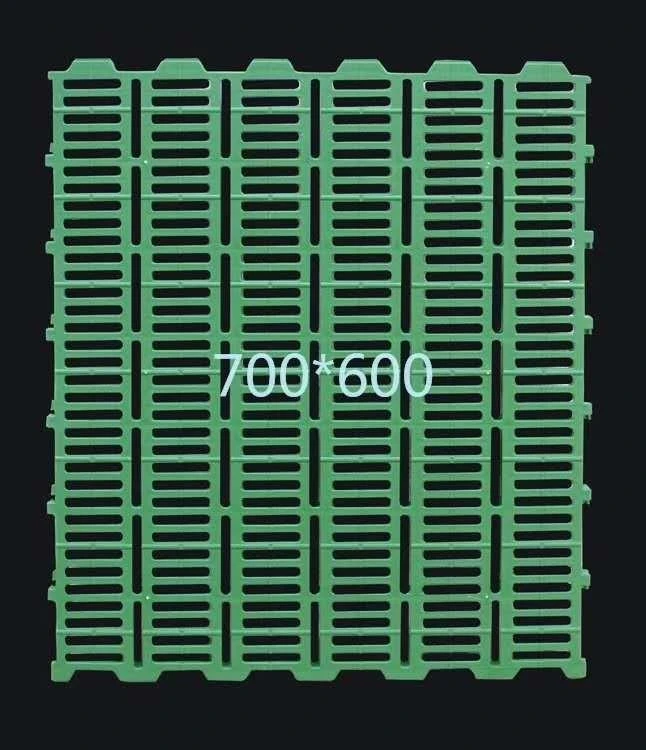
- Plastic Cages: Plastic cages are lightweight and resistant to corrosion. High - quality composite plastic cages, such as the High Quality Composite Plastic Pig Slat Foor, can last around 10 - 15 years. They are less likely to be damaged by the acidic environment in pig pens compared to metal. But, plastic can be prone to cracking and breaking if exposed to extreme temperatures or rough handling.
- Composite Materials: Composite materials combine the advantages of different substances. For example, some composite pig cages use a combination of fiberglass and resin. These cages can offer good strength and corrosion resistance, with a lifespan of about 12 - 18 years.
2. Usage and Maintenance
How the pig cage is used and maintained also plays a vital role in its lifespan.
- Usage Intensity: If the cage is used for a large number of pigs or for pigs with high activity levels, it will experience more wear and tear. For instance, in a farrowing crate where sows give birth and nurse their piglets, the cage is subject to more stress compared to a regular growing pig cage. The Pig Farm Farrowing Crate Construction Use Floor needs to be sturdy enough to withstand the movements of the sow and the piglets.
- Cleaning and Sanitization: Regular cleaning and proper sanitization can extend the lifespan of the pig cage. Pig waste contains acids and bacteria that can corrode the cage materials over time. By cleaning the cage frequently and using appropriate disinfectants, you can prevent the build - up of harmful substances and reduce the risk of damage.
- Repairs and Replacements: Timely repairs and replacements of damaged parts can keep the cage in good condition. For example, if a metal bar in a cage is bent, straightening or replacing it can prevent further damage to the structure.
3. Environmental Conditions
The environment in which the pig cage is placed can have a significant impact on its lifespan.
- Humidity and Temperature: High humidity levels can accelerate rusting in metal cages. In regions with high humidity, it is essential to choose materials that are more resistant to moisture. Extreme temperatures, both hot and cold, can also affect the integrity of plastic and composite materials. For example, plastic may become brittle in cold temperatures and warp in high - heat conditions.
- Exposure to Chemicals: Pig farms often use various chemicals for cleaning, disinfection, and pest control. Some of these chemicals can be corrosive to cage materials. It is important to choose a cage that can withstand the chemicals used on the farm. The BMC Pig Floor is designed to be resistant to many common chemicals used in pig farms.
Estimating the Lifespan of Different Types of Pig Cages
1. Weaning Pig Cages
Weaning pig cages are used for young pigs that are being weaned from their mothers. These cages are usually smaller in size and experience relatively less stress compared to farrowing crates. Metal weaning pig cages can last around 12 - 15 years if made of good - quality galvanized steel and properly maintained. Plastic weaning pig cages may have a lifespan of 8 - 12 years, depending on the quality of the plastic and the environmental conditions.
2. Growing Pig Cages
Growing pig cages are used for pigs during their growth phase. These cages need to be spacious enough to allow the pigs to move around. Metal growing pig cages can last 15 - 20 years, while plastic and composite growing pig cages can last 10 - 15 years. The lifespan can be affected by factors such as the number of pigs in the cage, the frequency of cleaning, and the environmental conditions.
3. Farrowing Crates
Farrowing crates are designed to provide a safe and comfortable environment for sows to give birth and nurse their piglets. These crates are subject to more stress due to the movements of the sow and the piglets. Metal farrowing crates can last 10 - 15 years, while high - quality composite farrowing crates can last 12 - 18 years. The Pig Farm Farrowing Crate Construction Use Floor is an important component of the farrowing crate, and its quality can significantly impact the overall lifespan of the crate.
Extending the Lifespan of Farm Pig Cages
1. Choose the Right Material
Based on your farm's specific needs and environmental conditions, choose the most suitable material for your pig cages. If you are in an area with high humidity, consider using plastic or composite materials that are more resistant to corrosion. If you need a cage that can withstand heavy use, high - quality metal cages may be a better option.
2. Follow a Maintenance Schedule
Develop a regular maintenance schedule for your pig cages. This should include daily cleaning, weekly inspections for damage, and monthly sanitization. By following a consistent maintenance routine, you can identify and address any issues before they become major problems.
3. Train Your Staff
Ensure that your farm staff is properly trained on how to handle and maintain the pig cages. They should know how to clean the cages correctly, how to identify signs of damage, and how to make minor repairs. Proper handling can prevent unnecessary damage to the cages.
Conclusion
The lifespan of a farm pig cage can vary significantly depending on factors such as material quality, usage and maintenance, and environmental conditions. As a farm pig cage supplier, I understand the importance of providing high - quality products that can last for a long time. By choosing the right material, following a proper maintenance schedule, and training your staff, you can extend the lifespan of your pig cages and get the most out of your investment.

If you are interested in purchasing farm pig cages or have any questions about their lifespan and maintenance, I encourage you to contact me for a detailed discussion. We can work together to find the best solutions for your pig farm.
References
- "Pig Housing and Equipment" - Agricultural Handbook by the United States Department of Agriculture
- "The Impact of Material Selection on the Durability of Pig Cages" - Journal of Animal Science and Technology