What are the electrical conductivity properties of pig flooring?
As a supplier of pig flooring, I've often been asked about the electrical conductivity properties of our products. Understanding these properties is crucial for ensuring the safety and well - being of pigs, as well as the efficiency of the pig farm.
The Importance of Electrical Conductivity in Pig Flooring
In a pig farm environment, electrical conductivity can have several implications. First and foremost, it is related to safety. Pigs are sensitive animals, and exposure to electrical currents can cause stress, injury, or even death. If the flooring has high electrical conductivity, there is a risk of electrical shock when there is a short - circuit or electrical leakage in the farm.

Secondly, electrical conductivity can affect the overall performance of the farm's electrical systems. For example, if the flooring conducts electricity well, it may interfere with the proper functioning of electrical equipment such as heaters, lights, and ventilation systems. This can lead to increased energy consumption, equipment malfunctions, and higher maintenance costs.
Types of Pig Flooring and Their Electrical Conductivity
There are several types of pig flooring available on the market, each with different electrical conductivity properties.
Concrete Flooring
Concrete is a commonly used material for pig flooring. It is relatively inexpensive and durable. However, its electrical conductivity depends on several factors, such as the moisture content and the presence of impurities. Concrete is a porous material, and when it is wet, it can conduct electricity more easily. This is because water contains ions that can carry electrical charges.
In a pig farm, the concrete floor is often wet due to urine and water spills. Therefore, it is important to ensure that the electrical systems in the farm are properly grounded to prevent electrical shock. Additionally, the use of anti - slip coatings on the concrete floor can also affect its electrical conductivity. Some anti - slip coatings may contain conductive materials, which can increase the floor's ability to conduct electricity.
Plastic Flooring
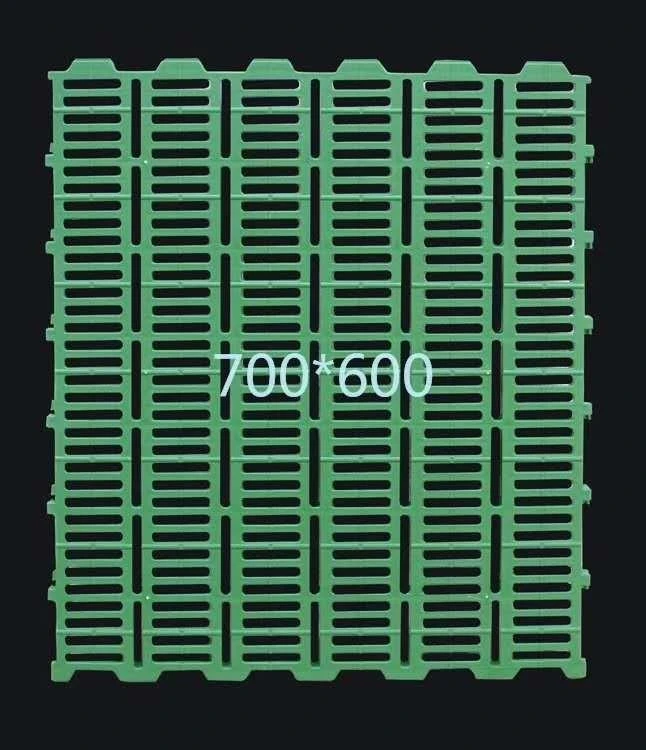
Plastic flooring, such as the High Quality Composite Plastic Pig Slat Foor, is another popular option for pig farms. Plastic is generally a poor conductor of electricity, which makes it a safer choice in terms of electrical safety.
The low electrical conductivity of plastic flooring helps to reduce the risk of electrical shock to pigs. Moreover, plastic flooring is resistant to moisture, which further enhances its electrical safety. It is also easy to clean and maintain, which is important for maintaining a hygienic environment in the pig farm.
Metal Flooring
Metal flooring is less commonly used in pig farms due to its high cost and potential corrosion issues. However, metal is a good conductor of electricity. If metal flooring is used, it must be properly insulated and grounded to prevent electrical hazards.
In some cases, metal flooring may be used in combination with other materials to take advantage of its strength and durability. For example, metal slats can be used in areas where there is high traffic or heavy loads. But in these cases, special attention must be paid to the electrical conductivity of the metal and the overall electrical safety of the system.
Measuring Electrical Conductivity
To accurately assess the electrical conductivity of pig flooring, several methods can be used. One common method is to measure the resistance of the flooring material. Resistance is the opposition to the flow of electrical current, and it is inversely proportional to conductivity.
A simple way to measure resistance is to use a multimeter. The multimeter can be set to the resistance mode, and the probes can be placed on the surface of the flooring material. The measured resistance value can then be used to calculate the conductivity of the material.
Another method is to use a conductivity meter. A conductivity meter measures the ability of a material to conduct electricity directly. It works by applying a known voltage across the material and measuring the resulting current. The conductivity is then calculated based on Ohm's law (I = V/R, where I is current, V is voltage, and R is resistance).
Controlling Electrical Conductivity in Pig Flooring
To ensure the safety and performance of pig flooring, it is important to control its electrical conductivity.
For concrete flooring, reducing the moisture content can help to lower its electrical conductivity. This can be achieved by proper ventilation and drainage in the pig farm. Additionally, using moisture - resistant coatings on the concrete surface can also help to reduce the risk of electrical conduction.
For plastic flooring, although it has low electrical conductivity, it is still important to ensure that the plastic material is of high quality and free from any conductive impurities. Regular inspection and maintenance of the plastic flooring can help to detect any potential issues related to electrical conductivity.
In the case of metal flooring, proper insulation and grounding are essential. Insulation materials can be used to prevent the flow of electrical current through the metal, and grounding systems can be installed to divert any electrical leakage safely to the ground.
Impact on Pig Health and Welfare
The electrical conductivity properties of pig flooring can have a significant impact on pig health and welfare. As mentioned earlier, exposure to electrical currents can cause stress and injury to pigs. Pigs that are exposed to electrical shock may show signs of fear, restlessness, and reduced feed intake.
In the long term, this can lead to poor growth performance, increased susceptibility to diseases, and reduced overall welfare. Therefore, choosing the right type of pig flooring with appropriate electrical conductivity properties is crucial for ensuring the well - being of the pigs.
The Role of Pig Flooring in Farm Efficiency
In addition to safety and animal welfare, the electrical conductivity properties of pig flooring can also affect farm efficiency. A flooring material with high electrical conductivity may cause interference with electrical equipment, leading to increased energy consumption and higher maintenance costs.
On the other hand, a flooring material with low electrical conductivity can help to ensure the proper functioning of electrical systems, reducing energy waste and improving the overall efficiency of the farm.
Conclusion
In conclusion, the electrical conductivity properties of pig flooring are an important consideration for pig farmers. Different types of flooring materials, such as concrete, plastic, and metal, have different electrical conductivity characteristics. By understanding these properties and taking appropriate measures to control them, farmers can ensure the safety of their pigs, the proper functioning of electrical systems, and the overall efficiency of the farm.
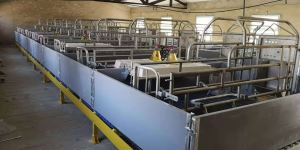
If you are interested in purchasing high - quality pig flooring with suitable electrical conductivity properties, we are here to assist you. We offer a wide range of pig flooring products, including Pig Farm Farrowing Crate Construction Use Floor and Pig Farm Farrowing Crate Construction Use Floor. Contact us for more information and to start a procurement negotiation.
References
- "Electrical Safety in Livestock Facilities." Agricultural Safety and Health Council of America.
- "Properties of Construction Materials for Pig Housing." Journal of Animal Science.
- "Pig Farm Management and Welfare." International Pig Veterinary Society.