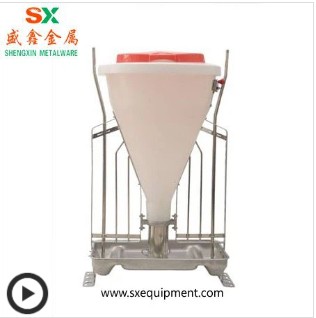
As a supplier of Pig Fatten Stall, I understand the critical role that temperature gradient management plays in ensuring the health and growth of pigs. In this blog, I'll share some effective strategies on how to manage the temperature gradient in a Pig Fatten Stall, which are based on scientific knowledge and practical experience.
Understanding the Importance of Temperature Gradient in Pig Fattening
Pigs are sensitive to temperature changes, and maintaining an appropriate temperature gradient in the fattening stall is crucial for their well - being. A proper temperature gradient allows pigs to self - regulate their body temperature according to their comfort needs. When the temperature is too high, pigs may experience heat stress, which can lead to reduced feed intake, slower growth, and even increased susceptibility to diseases. On the other hand, if the temperature is too low, pigs will consume more energy to keep warm, resulting in less energy available for growth.
Factors Affecting Temperature Gradient in Pig Fatten Stall
1. External Environment
The ambient temperature outside the stall has a direct impact on the internal temperature. In summer, high outdoor temperatures can cause the inside of the stall to overheat, while in winter, cold weather can lead to a significant drop in temperature. Additionally, factors such as sunlight exposure, wind direction, and humidity in the external environment can also influence the temperature gradient inside the stall.
2. Building Structure and Insulation
The design and construction of the pig fattening stall play a vital role in temperature management. A well - insulated stall can prevent heat transfer between the inside and outside, reducing the impact of external temperature changes. The materials used for the walls, roof, and floor, as well as the tightness of the building, all affect the insulation performance. For example, using high - quality insulation materials in the walls can help maintain a stable temperature inside the stall.
3. Pig Density
The number of pigs in the stall affects the heat generation and distribution. A higher pig density means more heat is produced, which can increase the overall temperature in the stall. If the ventilation is not properly adjusted, it can lead to uneven temperature distribution and create hot spots.
4. Ventilation System
A good ventilation system is essential for managing the temperature gradient. It helps to remove heat, moisture, and harmful gases from the stall, and introduce fresh air. The type, capacity, and operation mode of the ventilation system all impact the temperature regulation. For instance, natural ventilation can be effective in mild weather, but in extreme conditions, mechanical ventilation may be required to ensure proper air exchange.
Strategies for Managing Temperature Gradient
1. Proper Insulation
Invest in high - quality insulation materials for the stall. Insulate the walls, roof, and floor to reduce heat transfer. For the walls, materials like polystyrene foam or fiberglass insulation can be used. On the roof, reflective insulation can help to reflect sunlight and reduce heat absorption. Insulating the floor can also prevent heat loss to the ground, especially in cold weather.


2. Ventilation Optimization
- Natural Ventilation: Design the stall to take advantage of natural airflow. Position windows and vents strategically to allow for cross - ventilation. For example, place windows on opposite sides of the stall to create a natural draft.
- Mechanical Ventilation: Install fans and exhaust systems to ensure proper air circulation. In summer, use high - capacity fans to blow out hot air and bring in cooler air. In winter, adjust the ventilation rate to maintain a balance between removing moisture and heat while keeping the stall warm.
3. Temperature Monitoring and Control
- Thermometers: Install multiple thermometers at different locations in the stall to monitor the temperature gradient. This will help you identify areas with abnormal temperatures and take appropriate measures.
- Thermostats: Use thermostats to automatically control heating and cooling systems. For example, in winter, a thermostat can be set to turn on the heating system when the temperature drops below a certain level, and turn it off when the desired temperature is reached.
4. Cooling and Heating Systems
- Cooling Systems: In hot weather, cooling systems such as evaporative coolers or misting systems can be used to lower the temperature in the stall. Evaporative coolers work by evaporating water to cool the air, while misting systems spray fine water droplets to reduce the temperature.
- Heating Systems: In cold weather, heating systems like infrared heaters or radiant floor heating can be employed. Infrared heaters emit heat directly to the pigs, providing a quick and efficient way to warm them up. Radiant floor heating warms the floor, which in turn warms the pigs and the surrounding air.
5. Adjusting Pig Density
Regularly assess the pig density in the stall. If the temperature is too high, consider reducing the number of pigs or increasing the stall space to allow for better heat dissipation. On the other hand, in cold weather, a slightly higher pig density can help generate more heat.
The Role of Our Pig Fattening Crates in Temperature Management
Our company offers a range of high - quality Pig Finishing Crate, Livestock Pig Farm Pig Fattening Crate, Pig Fattening Crate, Pig Fattening Crate In CHINA, and Pig Fattening Crate On Farm. These crates are designed with temperature management in mind.
The materials used in our crates have good insulation properties, which can help to maintain a stable temperature inside the crate. The crate design also allows for proper air circulation, ensuring that heat and moisture can be effectively removed. Additionally, our crates are adjustable, which means you can easily modify the space according to the pig density and temperature requirements.
Conclusion
Managing the temperature gradient in a Pig Fatten Stall is a complex but essential task. By understanding the factors that affect the temperature gradient and implementing effective strategies such as proper insulation, ventilation optimization, temperature monitoring, and using appropriate cooling and heating systems, you can create a comfortable environment for the pigs. Our high - quality pig fattening crates can also play a significant role in temperature management.
If you are interested in our products or need more information on temperature management in pig fattening stalls, please feel free to contact us for procurement and further discussions.
References
- "Pig Production Science" by John M. Honeyman
- "Animal Housing and Welfare" edited by Brian O. Hughes and Janet E. Blackshaw