When it comes to managing a cattle farm efficiently, the safety and well - being of the livestock are of utmost importance. One crucial piece of equipment that plays a significant role in this regard is the Cattle Headlock. As a well - established Cattle Headlock supplier, I understand the significance of ensuring that these locking mechanisms work flawlessly. In this blog post, I will guide you through the process of checking the locking mechanism of a Cattle Headlock.
1. Initial Visual Inspection
The first step in checking the locking mechanism of a Cattle Headlock is a thorough visual inspection. Start by observing the overall condition of the headlock. Look for any signs of rust, corrosion, or physical damage such as cracks or dents. Rust can weaken the metal components over time, and cracks or dents may compromise the structural integrity of the locking mechanism.
Examine the moving parts of the headlock. This includes the bars, hinges, and locking pins. Ensure that there are no obvious signs of wear and tear on these components. Loose hinges can cause the headlock to function erratically, while worn - out locking pins may not hold the headlock in place securely.

2. Testing the Locking and Unlocking Operations
Once the visual inspection is complete, it's time to test the actual locking and unlocking operations of the headlock.
To begin, try to lock the headlock manually. Engage the locking mechanism and ensure that it clicks into place smoothly. There should be no excessive force required to lock it. If you encounter any resistance or if the lock does not engage properly, this could indicate a problem with the internal components, such as misaligned gears or a damaged locking mechanism.
Next, test the unlocking process. Use the designated unlocking mechanism, whether it's a lever, a pedal, or a control panel. The headlock should unlock easily and smoothly. If it takes an unusual amount of force to unlock or if it doesn't unlock at all, there may be an issue with the unlocking system. Check for any blockages or malfunctions in the release mechanism.
3. Checking the Alignment
Proper alignment is crucial for the effective functioning of a Cattle Headlock. Misaligned components can prevent the headlock from locking or unlocking correctly and can also cause unnecessary stress on the cattle.
Inspect the alignment of the bars that form the headlock. They should be parallel to each other and properly positioned within the frame. Any deviation from the correct alignment can lead to problems. You can use a straightedge or a measuring tool to check the alignment accurately.
Also, ensure that the locking mechanism is aligned with the corresponding parts of the headlock. If the locking pins or catches are not in line with their intended positions, the headlock may not lock securely. Make any necessary adjustments to ensure proper alignment.
4. Lubrication
Lubrication is an essential part of maintaining the locking mechanism of a Cattle Headlock. Over time, dirt, debris, and normal wear can cause the moving parts to become dry and stiff, which can affect the performance of the locking and unlocking operations.
Use a high - quality lubricant suitable for the metal components of the headlock. Apply the lubricant to the hinges, locking pins, and other moving parts. Make sure to wipe away any excess lubricant to prevent dirt and debris from sticking to it.
Regular lubrication not only ensures smooth operation but also helps to prevent rust and corrosion, extending the lifespan of the locking mechanism.
5. Stress Testing
To ensure the reliability of the locking mechanism under real - world conditions, it's important to conduct a stress test.
If possible, simulate the weight and movement of a cattle's head within the headlock. You can use a weighted object or ask a small team to apply a controlled amount of force similar to the pressure a cattle might exert. This will help you determine if the locking mechanism can hold up under normal usage.
During the stress test, closely observe the locking mechanism. Check for any signs of failure, such as the lock coming loose or the bars bending. If any issues are detected, the headlock should be repaired or replaced immediately.
6. Maintenance Records
As a Cattle Headlock supplier, I always recommend keeping detailed maintenance records. Document the date of each inspection, the findings, and any actions taken, such as lubrication, repairs, or adjustments.
These records can be invaluable in tracking the performance of the locking mechanism over time. They can help you identify patterns of wear and tear, predict potential problems, and ensure that the headlock is maintained regularly.
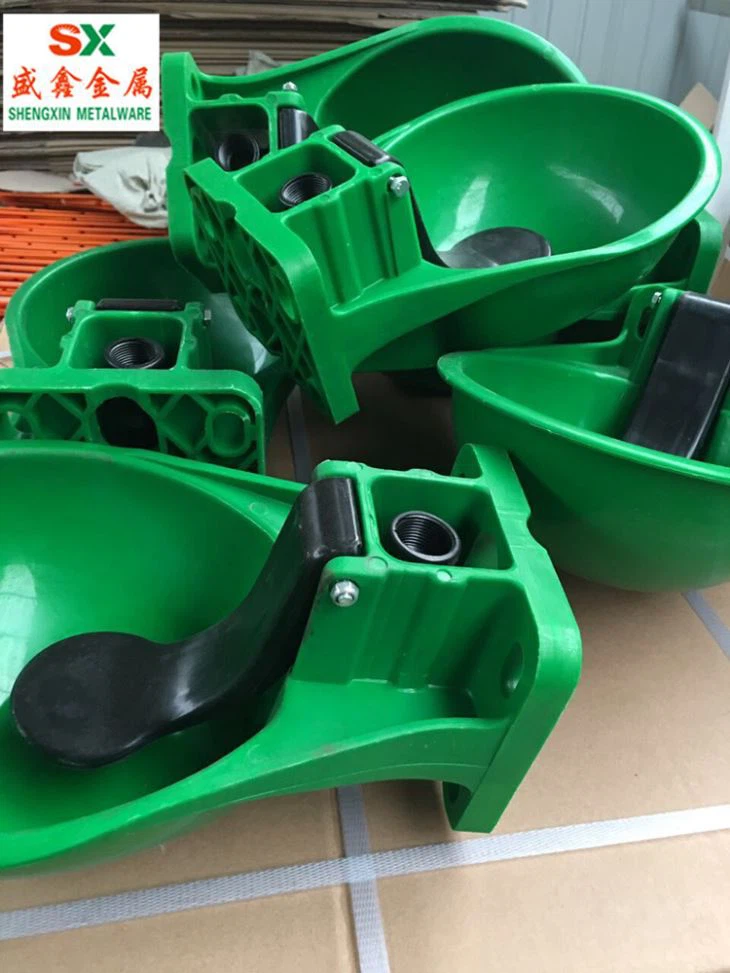
When it comes to cattle farm equipment, having a reliable Cattle Headlock is just one part of the equation. Our company also offers a wide range of other high - quality products to meet all your cattle farming needs. For those looking for equipment suitable for young cattle, we have Young Cattle Farm Equipment. If you are interested in providing a comfortable resting place for your cows, our Cow Free Stall and Dairy Farm Cattle Free Stall are excellent choices. And don't forget about the importance of a clean water supply. Our Plastic Cattle Water Drinker is designed to keep your cattle hydrated.
At our company, we are committed to providing top - notch cattle farm equipment, including the most reliable Cattle Headlock. If you have any questions about our products, the locking mechanism of our headlocks, or if you are interested in purchasing our equipment, please feel free to reach out to us. We'd be more than happy to assist you in finding the best solutions for your cattle farm.
References
- Smith, J. (2018). Best Practices for Cattle Farm Equipment Maintenance. Farming Today Journal, 12(3), 45 - 52.
- Johnson, M. (2019). The Importance of Properly Functioning Cattle Headlocks. Livestock Management Review, 20(1), 23 - 31.
- Brown, R. (2020). Cattle Farm Equipment: A Comprehensive Guide. Agricultural Press, Inc.