


Hey there, fellow cattle farmers! As a supplier of cattle drinkers, I get asked a lot about how long these essential pieces of equipment last. It's a valid question, considering the investment you make in keeping your cattle hydrated and healthy. So, let's dive into the factors that affect the lifespan of a cattle drinker and give you a better idea of what to expect.
Types of Cattle Drinkers and Their Lifespans
First off, there are different types of cattle drinkers, each with its own set of pros and cons when it comes to durability. Let's take a look at the most common ones:
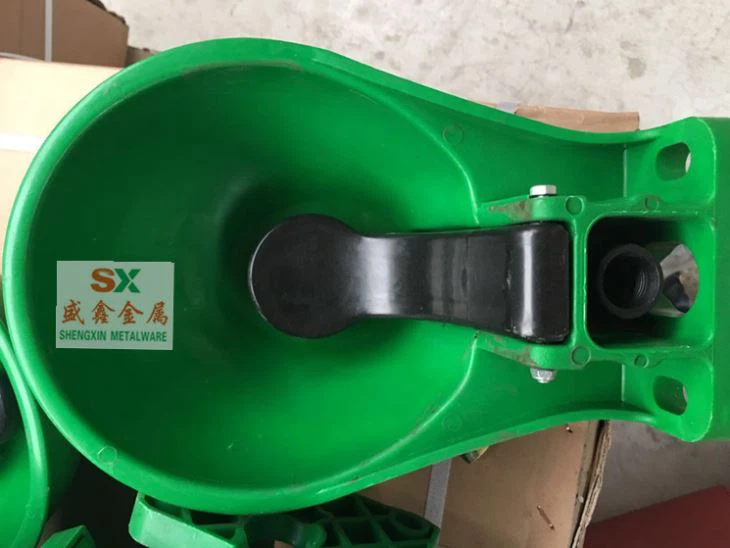
Plastic Cattle Water Drinker
Plastic drinkers are popular because they're lightweight, easy to install, and relatively affordable. But how long do they last? Well, it depends on a few things. The quality of the plastic matters a lot. High - grade, UV - resistant plastics can last anywhere from 5 to 10 years. These plastics are designed to withstand the elements, like sunlight, rain, and extreme temperatures.
However, if you go for a cheaper plastic drinker, you might be looking at a lifespan of 2 to 5 years. Cheaper plastics can become brittle over time, especially if they're exposed to direct sunlight for long periods. They can also crack or break if the cattle are a bit rough with them. If you're interested in plastic cattle water drinkers, you can check out Plastic Cattle Water Drinker.
Stainless Cattle Drinking Trough
Stainless steel is known for its durability. A well - made stainless cattle drinking trough can last 15 to 20 years or even longer. Stainless steel is resistant to rust, corrosion, and the wear and tear that comes with daily use on the farm. It can handle the rough behavior of cattle, like pushing and bumping, without getting damaged easily.
The key to getting the most out of a stainless steel trough is proper maintenance. Regular cleaning to prevent the buildup of algae and other contaminants is essential. Also, make sure to check for any signs of damage, like dents or scratches, and address them promptly. If you're in the market for a stainless cattle drinking trough, head over to Stainless Cattle Drinking Trough.
Iron Cast Cattle Water Bowl
Iron cast water bowls are heavy - duty and can be quite long - lasting. With proper care, they can last 10 to 15 years. Cast iron is strong and can withstand a lot of abuse from the cattle. However, it's prone to rust if not properly protected.
To prevent rust, you should coat the iron cast bowl with a rust - resistant paint or finish. Also, keep the water clean to avoid any chemical reactions that could accelerate rusting. If you think an iron cast water bowl is the right choice for your farm, check out Iron Cast Cattle Water Bowl.
Factors That Affect the Lifespan of Cattle Drinkers
Now that we've looked at the different types of cattle drinkers, let's talk about the factors that can either extend or shorten their lifespan.
Water Quality
The quality of the water your cattle drink plays a big role. If the water is hard, it can leave mineral deposits in the drinker. Over time, these deposits can build up and cause damage to the internal components of the drinker. For example, in a plastic drinker, the deposits can scratch the surface, making it more prone to cracking. In a stainless steel trough, the minerals can react with the metal and cause corrosion in some cases.
If your water has a high level of contaminants, like bacteria or algae, it can also lead to faster wear and tear. Bacteria can eat away at the materials, and algae can clog the water flow mechanisms. To ensure the longevity of your cattle drinker, consider using a water treatment system to improve the water quality.

Cattle Behavior
Cattle can be rough on their drinkers. Some cattle are more aggressive than others and may push, kick, or rub against the drinker. This can cause physical damage, especially to plastic drinkers. Even stainless steel and iron cast drinkers can get dented or scratched if the cattle are particularly rowdy.
To minimize the damage caused by cattle behavior, you can install the drinker in a location where the cattle have less room to be rough. You can also use protective barriers around the drinker to prevent direct contact.
Environmental Conditions
The environment where the drinker is located is another important factor. If the drinker is exposed to extreme temperatures, it can affect the material. For example, in very cold weather, plastic can become brittle and crack. In hot and sunny climates, plastic can fade and lose its strength over time.
Humidity can also be a problem, especially for iron cast drinkers. High humidity levels can accelerate rusting. To protect your drinker from the elements, you can provide some form of shelter, like a shed or a cover.
Maintenance
Proper maintenance is crucial for extending the lifespan of your cattle drinker. Regular cleaning is a must. You should clean the drinker at least once a week to remove any dirt, debris, and algae. This will prevent the buildup of harmful substances and keep the water fresh.
Inspect the drinker regularly for any signs of damage, like cracks, leaks, or loose parts. If you find any issues, fix them as soon as possible. For example, if a plastic drinker has a small crack, you can use a plastic repair kit to seal it.
Tips to Make Your Cattle Drinker Last Longer
Here are some practical tips to help you get the most out of your cattle drinker:
- Choose the Right Type: Based on your budget, the behavior of your cattle, and the environmental conditions on your farm, choose the type of drinker that will best suit your needs.
- Invest in Quality: Don't skimp on the quality of the drinker. A high - quality drinker may cost more upfront, but it will save you money in the long run by lasting longer.
- Follow the Manufacturer's Instructions: Each drinker comes with specific instructions for installation, use, and maintenance. Make sure you follow these instructions carefully.
- Monitor Water Quality: Regularly test the water to ensure it's clean and free of contaminants. Use water treatment methods if necessary.
- Train Your Cattle: If possible, train your cattle to use the drinker gently. This can reduce the amount of physical damage caused to the drinker.
Contact Us for Your Cattle Drinker Needs
If you're in the market for a new cattle drinker or need advice on how to extend the lifespan of your existing one, we're here to help. We've got a wide range of high - quality cattle drinkers to choose from, and our team of experts can provide you with all the information you need. Whether you're interested in a plastic, stainless steel, or iron cast drinker, we've got you covered.
Get in touch with us to start a conversation about your cattle drinker requirements. We're looking forward to working with you to keep your cattle hydrated and healthy.
References
- "Livestock Watering Systems: A Guide for Farmers" - Agricultural Extension Service
- "Materials and Durability in Cattle Equipment" - Journal of Animal Husbandry


