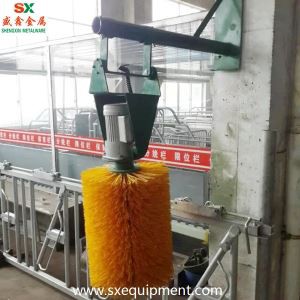
Hey there, fellow pig farmers and industry enthusiasts! I'm a supplier of pig flooring, and today, I wanna chat about one of the most crucial aspects of pig flooring: its waterproofing properties.
First off, let's understand why waterproofing is such a big deal in pig flooring. Pigs are messy eaters and drinkers. They spill water, and there's also a lot of urine and feces in the pigsty. If the flooring isn't waterproof, all this moisture can seep into the floor structure. This leads to a whole bunch of problems. For starters, it can cause the floor to rot over time, especially if it's made of wood or some other porous material. Rotting floors are not only a safety hazard for the pigs, as they can break through and hurt themselves, but they also require frequent and costly repairs.
Another issue with non - waterproof floors is the growth of mold and bacteria. Moisture provides the perfect breeding ground for these nasties. Mold can cause respiratory problems for the pigs, and bacteria can lead to various diseases. This can significantly affect the health and well - being of the pig population in your farm, and ultimately, your bottom line. So, having waterproof pig flooring is essential for maintaining a clean, healthy, and safe environment for your pigs.
Now, let's talk about the different types of pig flooring materials and their waterproofing capabilities.
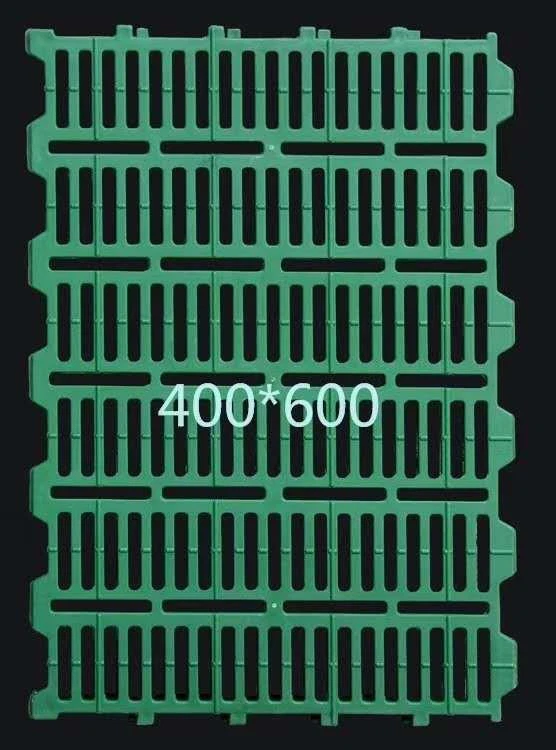

Plastic Pig Flooring
Plastic pig flooring, like the Plastic Pig Floor For Pig Farm, is a popular choice among farmers. It has excellent waterproofing properties. Plastic is a non - porous material, which means water can't seep into it. It repels moisture, so any spills or fluids just sit on the surface. This makes cleaning a breeze. You can simply hose it down, and the water and dirt will wash away easily.
Plastic flooring also resists corrosion from the acids in urine. Unlike some metal or wooden floors, it won't rust or rot due to the constant exposure to pig waste. It's durable and can withstand the heavy traffic and movement of the pigs. Plus, it provides good traction for the pigs, reducing the risk of slips and falls, which is another major safety concern.
Pig Farm Farrowing Crate Construction Use Floor
The Pig Farm Farrowing Crate Construction Use Floor has specific waterproofing requirements. In farrowing crates, piglets are born and the sows need a clean and dry environment. Water on the floor can cause chilling in piglets, as they have limited ability to regulate their body temperature.
This type of flooring is often designed to be highly waterproof. It ensures that any fluids are quickly drained away, keeping the area dry. It also has to be easy to clean to prevent the build - up of bacteria. Manufacturers typically use advanced materials and construction techniques to make these floors both waterproof and suitable for the delicate needs of farrowing sows and piglets.
Pig Cast Iron Floor
Pig Cast Iron Floor is another option. Cast iron is a dense material, and when properly coated, it can be quite waterproof. The coating acts as a barrier between the iron and the water, preventing rusting. However, if the coating gets damaged over time, the iron can start to corrode, which is why regular maintenance is crucial.
Cast iron floors are strong and can handle the weight of large pigs. They also provide good heat conduction, which can be beneficial in colder climates to keep the pigs warm. But they might not be as easy to clean as plastic floors, especially in areas where dirt and debris can get trapped in the small crevices.
When choosing pig flooring based on its waterproofing properties, there are a few factors you should consider. Firstly, think about the size of your pig farm. If you have a large - scale operation, you'll need a flooring material that is cost - effective and easy to install. Plastic flooring is often a great choice in this case, as it's relatively inexpensive and can be installed quickly.
Secondly, consider the age and size of your pigs. Piglets need a softer and more gentle surface, while adult pigs need a stronger and more durable floor. The waterproofing requirements might also vary depending on the age group. For example, farrowing crates for piglets need to be extra waterproof to protect the vulnerable young ones.
Finally, think about your budget and long - term maintenance costs. While cast iron floors might be more expensive upfront, they can last a long time if properly maintained. Plastic floors, on the other hand, are cheaper but might need to be replaced more frequently.
In conclusion, waterproofing is a key factor in choosing the right pig flooring. Whether you go for plastic, the specialized farrowing crate floors, or cast iron, make sure to pick a material that suits your farm's specific needs. A waterproof floor will keep your pigs healthy, safe, and comfortable, and it'll save you a lot of money in the long run.
If you're interested in learning more about our pig flooring products or want to discuss your specific requirements, don't hesitate to reach out. We're here to help you make the best choice for your pig farm.
References
- Some agricultural industry research reports on pig housing and flooring.
- Manufacturer's specifications and data sheets for different types of pig flooring.