


As a supplier of farm pig cages, I understand the importance of providing the best feeding solutions for your pigs. A well - installed feeder in a pig cage can significantly improve the health and growth of the pigs, as well as the overall efficiency of your farm operation. In this blog post, I'll discuss the best way to install a feeder in a farm pig cage.
Understanding Your Feeding Needs
The first step in installing a feeder in a pig cage is to understand the specific feeding needs of your pigs. Different types of pigs, such as piglets, grower pigs, or sows, have different dietary requirements and eating habits. Piglets, for example, need more frequent feeding and smaller amounts of feed compared to grower pigs.
It's also important to consider the number of pigs in each cage. Overcrowding can lead to competition for food, which may result in some pigs not getting enough nutrition. Based on the number and type of pigs, you can determine the appropriate size and type of feeder. For a small number of piglets, a simple trough feeder may be sufficient. However, for a larger group of grower pigs, a more advanced automatic feeder could be a better choice.
Selecting the Right Feeder
There are several types of feeders available in the market, and each has its own advantages and disadvantages.
Trough Feeders
Trough feeders are one of the most common types of feeders. They are relatively simple and inexpensive. You can easily refill them with feed. However, they have some drawbacks. Pigs can easily waste feed by rooting around in the trough, and it can be difficult to control the amount of feed each pig consumes.
Automatic Feeders
Automatic feeders are designed to dispense a specific amount of feed at regular intervals. They can help reduce feed waste and ensure that each pig gets the appropriate amount of food. Some automatic feeders are also equipped with sensors that can detect the presence of pigs and dispense feed accordingly. This type of feeder is more suitable for large - scale pig farms where precise feeding control is necessary.
Nipple Feeders
Nipple feeders are often used for providing liquid feed or water. They work by allowing pigs to suck on the nipples to get the feed or water. Nipple feeders are hygienic and can reduce the risk of water or feed contamination.
Preparing the Pig Cage
Before installing the feeder, you need to prepare the pig cage properly. First, clean the cage thoroughly to remove any dirt, feces, or old feed. This will help prevent the growth of bacteria and other pathogens that could harm the pigs.
Next, choose the right location for the feeder. The feeder should be placed in an area that is easily accessible to the pigs but not in a place where it will be easily soiled. Avoid placing the feeder near the water source or the pig's resting area.
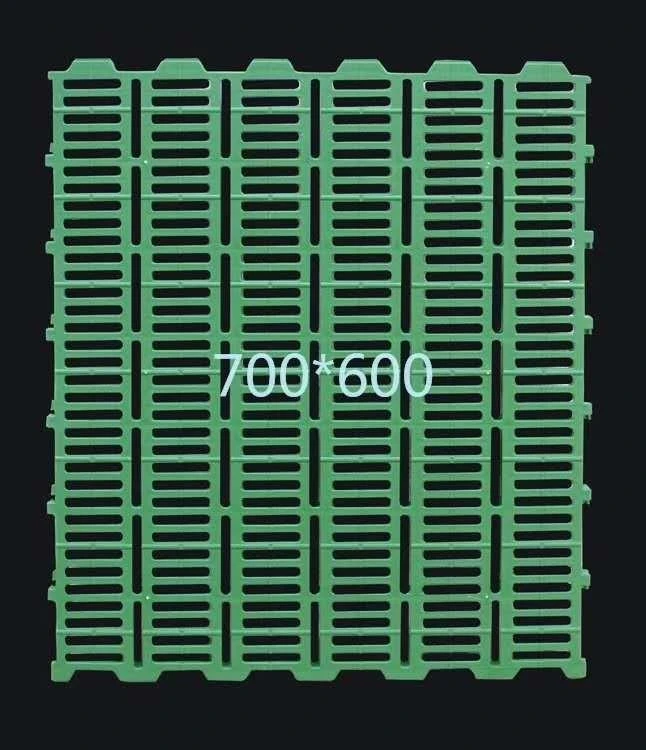
If you are using a floor - mounted feeder, make sure the floor of the pig cage is suitable. Different types of floors are available for pig cages, each with its own characteristics. You can check out Pig Cast Iron Floor, High Quality Composite Plastic Pig Slat Foor, Pig Farm Farrowing Crate Construction Use Floor, BMC Pig Floor, and Pig Farm Farrowing Crate Construction Use Floor for more information on pig cage floors.
Installing the Feeder
Wall - Mounted Feeders
If you choose a wall - mounted feeder, the first step is to mark the position on the wall where you want to install the feeder. Make sure the markings are level and at the appropriate height for the pigs. The height should be adjusted according to the size and age of the pigs. For piglets, the feeder should be lower to the ground, while for grower pigs, a higher position may be more suitable.
Use a drill to make holes in the wall at the marked positions. Then, insert wall plugs into the holes. These will provide a secure base for the feeder. Attach the feeder to the wall using screws or bolts that fit the wall plugs. Make sure the feeder is firmly attached and does not wobble.

Floor - Mounted Feeders
For floor - mounted feeders, you need to make sure the floor is level. If the floor is uneven, the feeder may not be stable, and pigs could tip it over. You may need to use shims or level the floor before installation.
Place the feeder on the floor at the desired location. Some floor - mounted feeders come with pre - drilled holes for anchoring. Use bolts or screws to secure the feeder to the floor. If the feeder does not have pre - drilled holes, you may need to drill holes in the appropriate places on the feeder and the floor and then use fasteners.
Testing and Adjusting the Feeder
After the feeder is installed, it's important to test it. Fill the feeder with a small amount of feed and observe how the pigs interact with it. Check if the feed is being dispensed properly. If you are using an automatic feeder, make sure the timer and dispensing mechanism are working correctly.
You may also need to make some adjustments based on the pigs' behavior. If the pigs are having difficulty reaching the feed, you may need to lower or raise the feeder. If there is excessive feed waste, you may need to adjust the feeder's opening or dispensing rate.
Maintenance of the Feeder
Regular maintenance of the feeder is crucial to ensure its proper functioning and the health of the pigs. Clean the feeder regularly to remove any leftover feed, dirt, or debris. This will prevent the growth of mold and bacteria.
Inspect the feeder for any signs of damage, such as cracks, loose parts, or worn - out components. Replace any damaged parts immediately to avoid problems with feed dispensing or potential harm to the pigs.
Conclusion
Installing a feeder in a farm pig cage requires careful planning and attention to detail. By understanding your pigs' feeding needs, selecting the right feeder, preparing the pig cage properly, and following the correct installation and maintenance procedures, you can ensure that your pigs are well - fed and healthy.
If you are interested in purchasing high - quality pig cages or feeders, feel free to contact us to start the procurement negotiation. We are committed to providing you with the best solutions for your pig farm.
References
- "Pig Production Science" by B. J. Kerr and J. M. DeRouchey.
- "Animal Feeding and Nutrition" textbook for basic knowledge on animal feeding principles.
- Industry guidelines from local agricultural extension services on pig husbandry and feeder installation.


