


As a supplier of Cow Free Stalls, I understand the concerns that farmers face when it comes to preventing cows from getting stuck in these stalls. This issue not only poses a risk to the well - being of the cows but also affects the overall efficiency of the dairy farm. In this blog, I will share some scientific and practical methods to prevent cows from getting stuck in Cow Free Stalls.
Understanding the Causes of Cows Getting Stuck
Before we delve into prevention methods, it's crucial to understand why cows may get stuck in the first place. One common reason is improper stall design. If the space in the stall is too narrow or the height is not adjusted according to the size of the cows, they are more likely to be trapped. Additionally, the lack of a smooth entrance and exit can also cause problems. Cows may rush or misjudge their movements, leading to getting stuck.
Another factor is the behavior of the cows themselves. Sometimes, cows may be in a hurry to get in or out of the stall, perhaps due to competition for food or a desire to socialize with other cows. This haste can cause them to make sudden, uncoordinated movements and become stuck. Poor flooring conditions can also contribute to this problem. Slippery or uneven floors can make it difficult for cows to maintain their balance, increasing the risk of getting stuck.
Ensuring Proper Stall Design
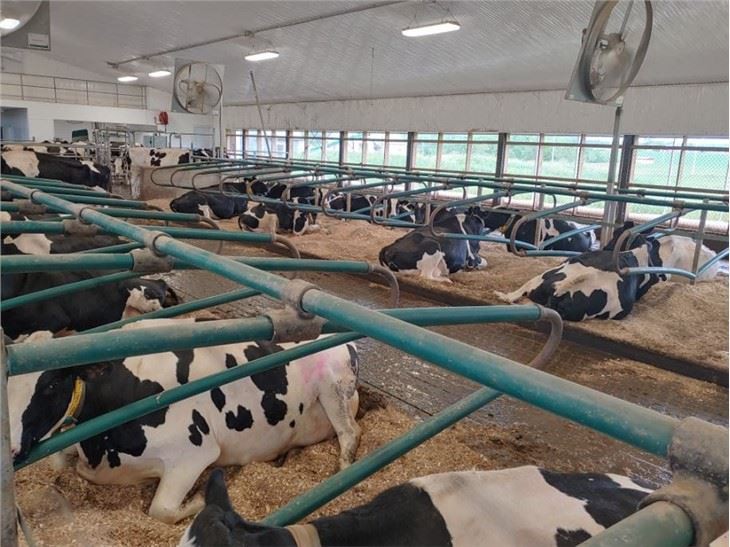
One of the most effective ways to prevent cows from getting stuck is to ensure proper stall design. At our company, we offer a variety of Cow Free Stalls that are designed with the well - being of the cows in mind.
-
Optimal Space: Our stalls are designed to provide enough space for cows to move freely. The width of the stall should be sufficient for the cow to lie down, stand up, and turn around without any difficulty. We recommend a minimum width of about 1.2 - 1.5 meters, depending on the size of the cows. For example, larger breeds may require wider stalls.

-
Adjustable Height: We understand that the height requirements of cows can vary. That's why our Double Type Cow Free Stall With High Quality is designed to be adjustable. This allows farmers to customize the height according to the average height of their cows, ensuring a comfortable fit and reducing the risk of getting stuck.
-
Smooth Entrance and Exit: Our stalls are equipped with smooth and well - designed entrances and exits. The edges are rounded to prevent cows from getting caught on sharp corners. The gradient of the entrance and exit is also carefully calculated to ensure that cows can easily enter and leave the stall without tripping or getting stuck.
Maintaining a Comfortable Environment
Cows are more likely to move calmly and avoid getting stuck if they are in a comfortable environment.
- Flooring: We recommend using non - slippery and even flooring in the stalls. Our Independent And Clean Cow Free Stall is designed with flooring that provides good traction for the cows. This helps them maintain their balance while moving in and out of the stall. Additionally, regular cleaning of the floors is essential to remove any debris or manure that could make the floor slippery.
- Temperature and Ventilation: Cows are sensitive to temperature and ventilation. If the stall is too hot or stuffy, cows may become restless and more likely to rush around, increasing the risk of getting stuck. Our stalls are designed to allow for proper air circulation and can be equipped with ventilation systems to maintain a comfortable temperature.
Training the Cows
Training the cows to use the stalls properly can significantly reduce the risk of getting stuck.
- Gradual Introduction: When introducing cows to new Cow Free Stalls, it's important to do it gradually. Start by allowing a few cows at a time to explore the stalls. This helps them get familiar with the new environment and reduces their anxiety. Over time, as the cows become more comfortable, more cows can be introduced to the stalls.
- Positive Reinforcement: Positive reinforcement can be used to encourage cows to use the stalls correctly. For example, providing a small amount of feed in the stall can encourage cows to enter and stay in the stall calmly. This helps them associate the stall with a positive experience and is more likely to use it properly.
Regular Inspection and Maintenance
Regular inspection and maintenance of the Cow Free Stalls are essential to prevent cows from getting stuck.
- Structural Inspection: Regularly check the structure of the stalls for any signs of damage or wear and tear. Loose parts, broken bars, or damaged flooring can all pose a risk to the cows. If any issues are found, they should be repaired immediately.
- Adjustment: As the cows grow or their behavior changes, it may be necessary to adjust the settings of the stalls. For example, if the cows are growing larger, the width or height of the stall may need to be adjusted.
Conclusion
Preventing cows from getting stuck in Cow Free Stalls is a multi - faceted approach that requires proper stall design, a comfortable environment, cow training, and regular inspection and maintenance. At our company, we are committed to providing high - quality Cow Free Stalls that are designed to meet the needs of both farmers and cows. If you are interested in improving the safety and comfort of your cows' living environment, please don't hesitate to contact us for more information and to discuss your purchasing needs. We look forward to working with you to create a better dairy farm environment.
References
- "Dairy Cattle Housing and Equipment Handbook", American Society of Agricultural and Biological Engineers.
- "The Welfare of Dairy Cows in Different Housing Systems", Journal of Dairy Science.


