


Improving the insulation of a farm pig cage is crucial for ensuring the well - being of pigs and optimizing farm productivity. As a farm pig cage supplier, I understand the importance of this task and have gathered a wealth of insights and solutions over the years to help farmers achieve better insulation in their pig enclosures. This blog will explore various effective ways to enhance the insulation of farm pig cages, covering a range of aspects from materials selection to design and construction techniques.
1. Choose the Right Flooring Materials
The flooring of a pig cage is a key determinant of insulation. Good flooring materials can prevent heat loss from the pigs' bodies through contact with the ground. Here are some excellent options that I often recommend to farmers:
- Pig Cast Iron Floor: Cast iron floors are known for their durability and relatively good thermal conductivity control. They can retain heat for a certain period, which is beneficial for maintaining a warm environment in the pig cage. You can find high - quality Pig Cast Iron Floor and another option for Pig Cast Iron Floor on our website. A well - designed cast - iron floor also provides good traction for pigs, reducing the risk of slipping and injury.
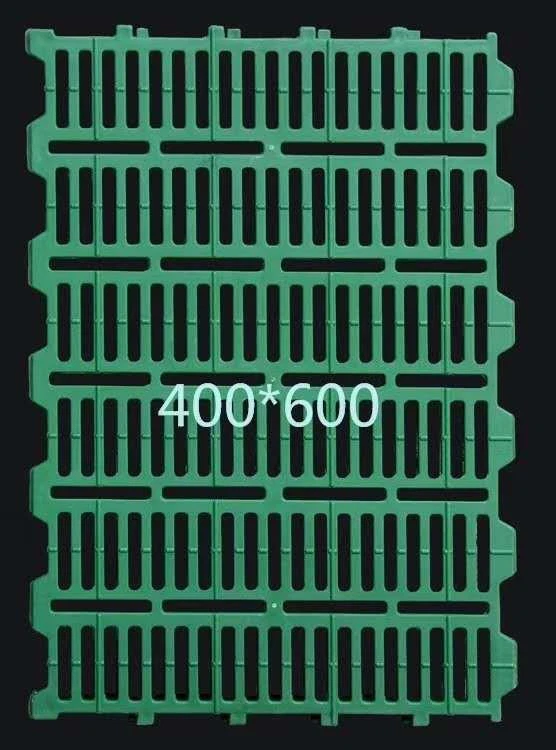
- Plastic Pig Floor For Pig Farm: Plastic floors are lightweight and have good insulation properties. They do not conduct heat as quickly as metallic materials, keeping the pigs' feet warm. Additionally, they are easy to clean and maintain. For more details about suitable Plastic Pig Floor For Pig Farm, you can visit our product page.
- BMC Pig Floor: BMC (Bulk Molding Compound) floors offer a combination of strength, chemical resistance, and insulation. They are designed to be long - lasting and can withstand the harsh environment in pig cages. Check out our BMC Pig Floor for an ideal flooring solution that balances insulation and performance.
- Pig Farm Farrowing Crate Construction Use Floor: In farrowing crates, specific flooring is required to ensure the comfort and safety of sows and piglets. Our Pig Farm Farrowing Crate Construction Use Floor is designed to provide optimal insulation and a non - slippery surface for these critical areas.
2. Wall Insulation
Proper wall insulation is equally important as flooring insulation. Pigs can lose a significant amount of body heat through the walls of their cages, especially in cold weather.
- Insulating Panels: Installing insulating panels on the walls of pig cages is an effective way to reduce heat transfer. These panels can be made of materials such as expanded polystyrene (EPS), polyurethane foam, or fiberglass. EPS panels are cost - effective and have good insulation properties. Polyurethane foam has a higher insulating value but is relatively more expensive. Fiberglass is fire - resistant and provides stable insulation performance.
- Double - Wall Construction: Building double - wall pig cages can enhance insulation by creating an air gap between the two walls. The air trapped in the gap acts as an insulator, reducing heat loss. Farmers can use different materials for the inner and outer walls, such as metal sheets on the outside for durability and insulating panels on the inside.
3. Ceiling and Roof Insulation
The ceiling and roof of a pig cage are also major areas of heat exchange. Effective insulation here can help maintain a stable temperature inside the cage.
- Loose - Fill Insulation: Materials like cellulose or fiberglass loose - fill insulation can be blown into the attic or ceiling space of pig cages. These materials fill in small spaces and crevices, reducing air leakage and heat transfer.
- Insulated Roof Panels: Similar to wall insulation, using insulated roof panels can significantly improve the overall insulation of the pig cage. Roof panels made with materials like polyisocyanurate or extruded polystyrene foam have high R - values (a measure of thermal resistance), which means they can effectively keep the heat inside the cage during cold weather and block heat from entering during hot weather.
4. Sealing Air Leaks
Identifying and sealing air leaks is an often - overlooked but crucial step in improving cage insulation. Air leaks can allow cold air to enter and warm air to escape, undermining the effectiveness of other insulation measures.
- Check for Gaps: Inspect the pig cage regularly for gaps around doors, windows, ventilation ducts, and any other openings. Gaps can occur due to poor installation or normal wear and tear over time.
- Sealant Materials: Use appropriate sealant materials such as weatherstripping, caulking, or foam tape to seal these gaps. Weatherstripping can be used around doors and windows, while caulking is suitable for sealing small cracks in the walls and floors. Foam tape is effective for filling larger gaps around pipes and vents.
5. Ventilation Management
While insulation aims to keep the heat inside the pig cage, proper ventilation is also essential to maintain good air quality and prevent the build - up of moisture and harmful gases.
- Balanced Ventilation: Design a ventilation system that provides a balanced exchange of fresh air and exhausted air. This can be achieved through the use of fans, vents, and air ducts. In cold weather, the ventilation rate should be adjusted to minimize heat loss while still ensuring adequate air circulation.
- Heat Recovery Ventilators (HRVs): Installing HRVs in the pig cage can help recover heat from the exhaust air and transfer it to the incoming fresh air. This reduces the energy required to heat the incoming air, making the ventilation system more energy - efficient and improving the overall insulation performance of the cage.
6. Consider the Layout and Design of the Pig Cage
The layout and design of the pig cage can also affect its insulation performance.
- Grouping Pigs Strategically: Group pigs of similar sizes and ages together. Larger groups of pigs generate more body heat, which can contribute to maintaining a warmer environment inside the cage. This natural heat generation can reduce the reliance on external heating sources.
- Orientation of the Cage: Position the pig cage in a way that maximizes sunlight exposure during the day. South - facing cages can receive more sunlight in the Northern Hemisphere, which can help warm up the interior naturally. Additionally, proper shading should be provided during hot summer months to prevent overheating.
Conclusion
Improving the insulation of a farm pig cage is a multi - faceted task that requires careful consideration of various factors, from the selection of appropriate materials to the design and management of the cage. By implementing the strategies discussed in this blog, farmers can create a more comfortable and energy - efficient environment for their pigs, leading to better growth, health, and productivity.

As a farm pig cage supplier, I am committed to providing high - quality products and professional advice to support farmers in improving the insulation of their pig cages. If you are interested in purchasing our pig cage equipment or need more information on insulation solutions, please feel free to contact us for further procurement discussions.
References
- Agriculture Handbook: Swine Housing and Equipment, United States Department of Agriculture
- "Insulation Materials for Livestock Buildings" in Journal of Animal Science and Biotechnology
- Pig Husbandry Manual, National Pork Producers Council


